

Poll Results
No votes. Be the first one to vote.
Participate in Poll, Choose Your Answer.
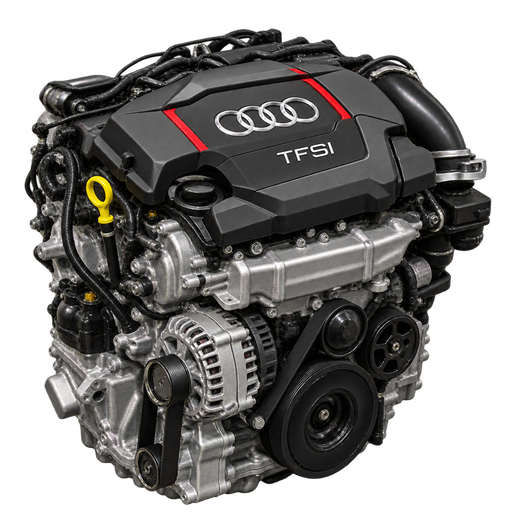
What Should You Do When Your Bentley Engine Starts Making Unusual Noises?
Owning a Bentley means enjoying exceptional luxury, powerful performance, and advanced automotive engineering. However, even the most sophisticated vehicles can develop mechanical problems over time. One warning sign that Bentley owners should never ignore is an unusual engine noise. Whether you hear clicking, knocking, rattling, humming, or grinding sounds, these noises may indicate an underlying mechanical issue. Seeking professional bentley engine repair dubai services can help identify the cause and prevent further damage. Understanding what different engine noises mean and knowing when to seek professional assistance can protect your vehicle and help maintain its performance.
Why Does Your Bentley Engine Make Unusual Noises?
Bentley engines are designed with advanced mechanical and electronic systems that work together to deliver smooth performance. However, regular driving, high temperatures, component wear, and insufficient maintenance can affect engine operation.
Sometimes, an unusual sound may result from a minor issue, such as a loose component or a worn belt. In other situations, it may indicate a more serious problem involving internal engine parts, lubrication, or the cooling system.
The important thing is not to ignore sounds that were not previously present. Identifying problems early can help prevent expensive repairs and protect the engine from unnecessary stress.
Common Bentley Engine Noises and Their Possible Causes
Different engine noises can provide clues about the condition of your vehicle. Here are some common sounds Bentley owners should understand.
1. Engine Knocking Sounds
A knocking noise coming from the engine is something that deserves immediate attention. It may be associated with combustion problems, worn internal components, or insufficient lubrication.
Possible causes include:
-
Incorrect fuel quality or combustion issues.
-
Worn engine bearings.
-
Low engine oil levels.
-
Internal mechanical wear.
-
Problems with engine timing.
If you notice a persistent knocking sound, avoid unnecessary driving and arrange a professional inspection. Continuing to operate an engine with serious knocking problems may lead to extensive internal damage.
2. Clicking or Ticking Noises
A ticking sound may become noticeable when starting the engine or while the vehicle is idling. In some cases, it can be related to the valve train, lubrication, or other moving engine components.
Potential reasons include low oil levels, restricted oil flow, worn valve train components, or a problem with an engine-related accessory.
Checking the engine oil level according to the manufacturer’s instructions is a useful first step. However, persistent ticking should be examined by a qualified technician.
3. Rattling Noises
Rattling sounds may originate from loose components, damaged heat shields, worn mounting hardware, or problems involving timing-related components.
You may notice the noise during acceleration, at idle, or when starting the vehicle.
Because several different components can produce similar sounds, professional diagnosis is important. A technician can inspect the engine compartment and identify whether the noise comes from an external component or an internal mechanical problem.
4. Grinding Sounds
Grinding noises are generally a reason to arrange an inspection as soon as possible. Depending on when the sound occurs, it may originate from an accessory drive system, starter motor, or another mechanical component.
If grinding occurs while starting the vehicle, the starter system may require attention. If it continues while the engine is running, additional inspection is necessary.
Avoid repeatedly starting or operating the vehicle if the grinding sound is severe.
5. Hissing or Whistling Sounds
Hissing or whistling noises may indicate an air or vacuum leak, a damaged hose, or an issue involving the intake or turbocharger system in applicable Bentley models.
Other possible causes include escaping coolant or pressure-related leaks.
If the sound is accompanied by overheating, unusual smells, or reduced engine performance, stop driving when safe and seek professional assistance.
What Should You Do When You Hear an Unusual Engine Noise?
Taking the correct steps when your Bentley starts making unusual noises can help prevent additional mechanical damage.
Step 1: Pay Attention to the Sound
First, try to understand the type of noise you are hearing. Is it a clicking, knocking, rattling, grinding, or hissing sound?
Notice whether it happens when starting the engine, accelerating, braking, or idling. This information can help technicians narrow down the possible causes.
Do not attempt to reproduce a loud or potentially dangerous noise by repeatedly accelerating the engine.
Step 2: Check the Dashboard Warning Lights
Your Bentley’s dashboard provides important information about engine condition and vehicle performance.
Pay attention to warning indicators related to:
-
Engine temperature.
-
Engine oil pressure.
-
Check engine system.
-
Battery and charging system.
-
Other vehicle safety warnings.
An oil pressure warning or overheating warning should be treated seriously. Stop the vehicle when safe and follow the manufacturer’s instructions.
Step 3: Check Engine Oil Levels
Engine oil plays an essential role in protecting moving components against friction and excessive wear.
Low oil levels or inadequate lubrication can contribute to unusual engine noises and mechanical damage.
Park the vehicle on a level surface and check the oil according to the owner’s manual. If the oil level is below the recommended range, use only the specified oil and follow the manufacturer’s guidance.
Remember that adding oil does not resolve an underlying leak or oil pressure problem.
Step 4: Avoid Driving Under Unsafe Conditions
If your Bentley produces loud knocking, grinding, or other severe noises, avoid continuing your journey.
Driving with an unresolved mechanical problem can increase the possibility of further damage. If the engine is overheating or showing an oil pressure warning, stop when safe and arrange professional assistance or recovery.
Step 5: Arrange a Professional Inspection
The safest approach is to have the vehicle examined by experienced technicians who understand Bentley engine systems.
A professional inspection can identify the source of the sound and determine whether a repair, component replacement, or further diagnostic testing is required.
Why Professional Bentley Engine Diagnostics Are Important
Modern Bentley vehicles contain sophisticated engine management systems. Identifying the exact cause of an unusual noise may require more than a basic visual inspection.
Professional diagnostic procedures can help technicians examine engine performance and detect related electronic faults.
A proper inspection may include:
-
Scanning the engine control unit for stored fault codes.
-
Checking engine oil condition and pressure where necessary.
-
Inspecting belts, pulleys, hoses, and mounting components.
-
Examining the cooling system for leaks.
-
Checking ignition and fuel delivery systems.
-
Inspecting internal engine components when symptoms indicate a mechanical fault.
These checks help establish an accurate diagnosis and prevent unnecessary repairs.
How Dubai’s Climate Can Affect Bentley Engine Performance
Dubai’s extreme summer temperatures can create additional challenges for luxury vehicles. High ambient temperatures place extra demands on cooling systems and may make existing mechanical problems more noticeable.
Dust and sand can also affect air filtration systems, while frequent stop-and-go traffic may increase engine operating temperatures.
Bentley owners should pay particular attention to cooling system maintenance, engine oil condition, and air filter inspections.
Regular servicing helps ensure that important engine components remain in suitable working condition, especially during demanding weather conditions.
Can You Prevent Unusual Bentley Engine Noises?
Although mechanical problems cannot always be prevented, regular maintenance can significantly reduce the risk of unexpected engine issues.
Consider following these maintenance practices:
Regular oil and filter changes: Use engine oil that meets the specifications for your particular Bentley model.
Cooling system inspections: Check coolant levels, hoses, radiator condition, and other cooling components according to the maintenance schedule.
Timely replacement of worn parts: Belts, filters, spark plugs, and other service components should be inspected and replaced when required.
Professional diagnostic checks: Address warning lights and changes in engine performance instead of ignoring them.
Follow manufacturer recommendations: Every Bentley model has specific maintenance requirements, so consult the owner’s manual and recommended service schedule.
Preventive maintenance helps keep the engine operating smoothly and reduces the likelihood of serious mechanical problems.
Why Choose Experienced Bentley Engine Repair Specialists?
Bentley vehicles require specialist knowledge because their engines and supporting systems are engineered differently from many standard vehicles.
Experienced technicians understand the importance of correct diagnostic procedures, suitable replacement components, and manufacturer-recommended repair methods.
A professional workshop should provide clear explanations of the problem, discuss available repair options, and offer a transparent estimate before starting major work.
It is also important to ask about parts quality and warranties on eligible repairs. These details help you make informed decisions about your vehicle’s maintenance.
Conclusion
Unusual engine noises should never be ignored, especially when they come from a luxury vehicle such as a Bentley. Clicking, knocking, rattling, grinding, and hissing sounds can indicate different mechanical problems that require proper investigation.
The best approach is to pay attention to changes in engine behaviour, check dashboard warnings, avoid driving when serious symptoms appear, and arrange a professional inspection.
Regular maintenance and timely repairs can help protect your Bentley engine, maintain reliable performance, and reduce the risk of expensive mechanical damage. With the right specialist care, you can continue enjoying the comfort, power, and driving experience that make Bentley vehicles exceptional.
